

Table of Contents
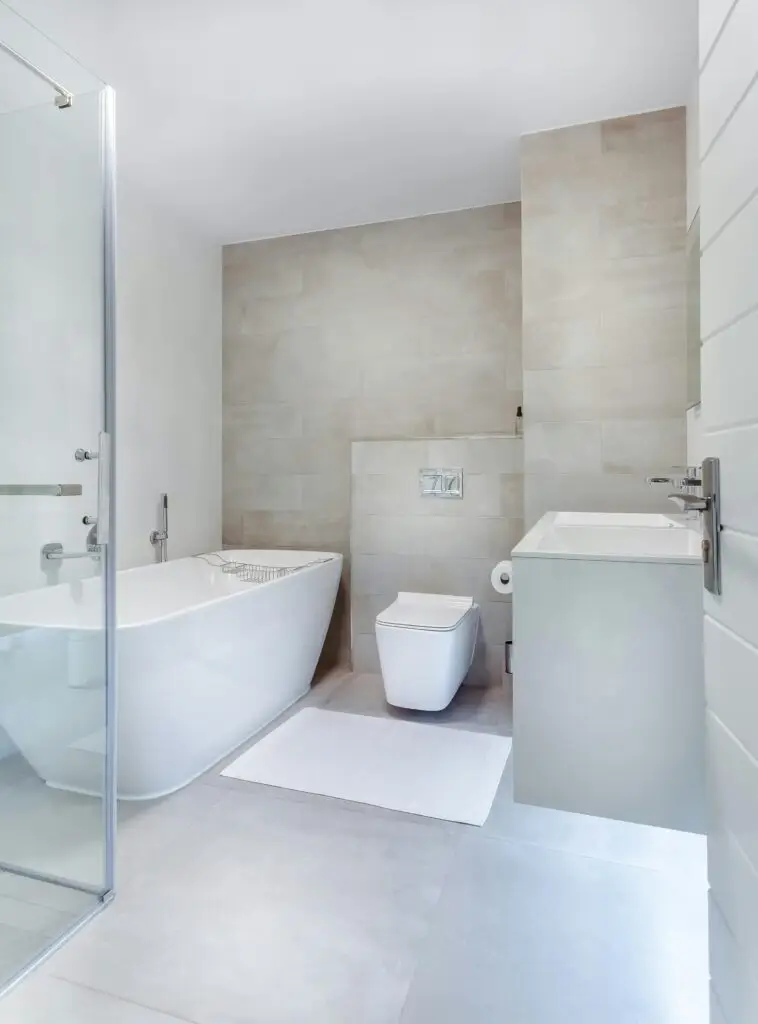
The bathroom looked beautiful. Modern tile, rainfall showerhead, double vanity, heated floors. The kind of renovation that makes buyers fall in love with a house.
It also cost the new owners $47,000 to tear out and redo—after they’d already paid for the house.
This is a true story. I’ve changed the names and some details, but the numbers are real, and so is the lesson: what you can’t see can absolutely hurt you.
How It Started
David and Elena found their dream home in a quiet neighborhood in LA County. Three bedrooms, updated kitchen, gorgeous master bathroom that had clearly been renovated within the last few years. The listing even bragged about it: “Stunning master bath remodel!”
They made an offer, it was accepted, and they scheduled a home inspection.
The inspector did his job. He ran the water, checked the drains, looked at the tile work, tested the outlets. Everything functioned. In his report, the bathroom got a clean bill of health.
David and Elena closed on the house. They were thrilled.
The First Sign of Trouble
About eight months later, Elena noticed a soft spot in the hallway floor near the bathroom. It felt spongy underfoot—not dramatically so, just enough to be annoying.
They called a flooring contractor to take a look. He pulled up a section of hardwood and found the subfloor was wet. Not damp. Wet.
The contractor traced the moisture back toward the bathroom. When he pulled up the tile near the shower, he found the problem: there was no waterproof membrane behind the tile. Water had been seeping through the grout, into the wall cavity, and down into the subfloor for months.
But that was just the beginning.
What the Permits Revealed
At this point, David started asking questions. He pulled the permit history on the house and discovered something the seller hadn’t mentioned: there were no permits on file for the bathroom renovation.
No building permit. No plumbing permit. No electrical permit.
The beautiful bathroom—the one that sold them on the house—had been done entirely without permits. And without inspections.
When they brought in a licensed plumber to assess the damage, he found:
- No waterproofing behind the shower tile — a code requirement
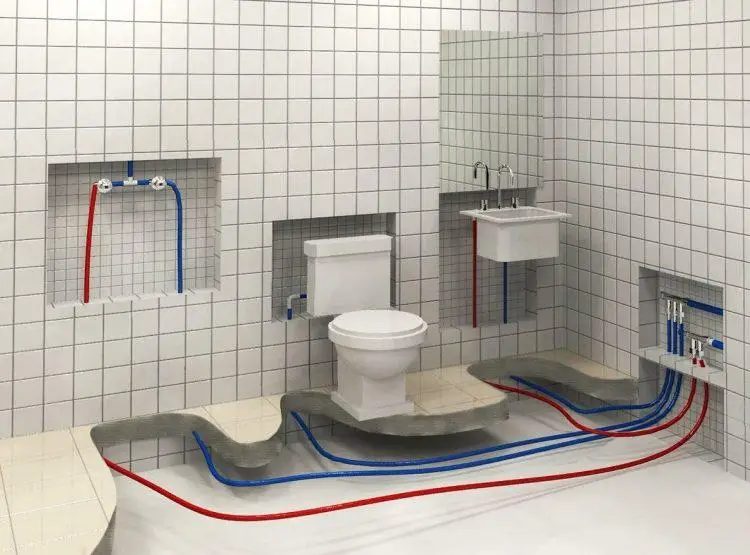
- Drain improperly connected — slow leak into the wall cavity
- Electrical outlet inside the shower area — serious safety hazard
- No GFCI protection — required by code in all bathrooms
- Vent fan ducted into the attic — should exhaust outside, was dumping moisture into attic space
The previous owner—or more likely, the unlicensed handyman they hired—had created a time bomb.
The Real Cost
Here’s what David and Elena paid to fix the “stunning master bath remodel”:
| Demolition of existing bathroom | $3,500 |
| Mold remediation (subfloor and wall cavity) | $8,200 |
| Subfloor replacement | $2,800 |
| Rewiring with proper GFCI and code-compliant outlet placement | $4,100 |
| New plumbing with proper drain connection and venting | $6,700 |
| Waterproofing membrane and tile installation | $12,400 |
| New fixtures, vanity, and finishes | $7,800 |
| Permit fees and inspections | $1,500 |
| Total | $47,000 |
And that doesn’t include the six weeks they couldn’t use their master bathroom, the stress, the arguments with their insurance company (who denied the claim because unpermitted work voided coverage), or the time David spent trying to track down the previous owner.
Why Didn’t the Home Inspector Catch This?
Here’s the hard truth: he couldn’t.
Standard home inspections are visual assessments. Inspectors check that things function—water runs, drains drain, outlets work. They’re not pulling up tile or opening walls. They’re not checking permit records.
The inspector who examined David and Elena’s future home did exactly what he was trained to do. The bathroom worked. It looked great. By the standards of a typical home inspection in Los Angeles, nothing was wrong.
But “working” and “code-compliant” are two very different things.
This is why I do things differently. My background is in architecture, and I’ve spent years understanding not just how things work, but how they’re supposed to be built. When I conduct a building inspection, I’m not just testing functions—I’m looking for signs of unpermitted work and code violations.
Would I have caught David and Elena’s bathroom? Honestly, maybe not all of it without opening walls. But I would have:
- Noticed the outlet placement was suspicious
- Checked for GFCI protection (it was missing)
- Pulled permit records and flagged that no permits existed for recent work
- Recommended further investigation before closing
That’s often enough to save buyers from a disaster.
Red Flags That Suggest Unpermitted Work
If you’re buying a home—or you own rental property—here are warning signs that work might not be permitted:
- Recent renovations with no permit history — Always pull records
- Bedroom in a garage — Almost always unpermitted
- ADU or converted space — Requires multiple permits
- New electrical panel with no permit sticker — Required by law
- Bathroom or kitchen additions — Plumbing work needs permits
- Finished attic or basement — Often done without permits
- Room additions that don’t match the original floor plan — Compare to assessor records
The seller might not even know the work was unpermitted. They might have bought the house after the renovation, or hired someone who assured them permits “weren’t necessary.”
It doesn’t matter. When you buy the house, you buy the problem.
What Could David and Elena Have Done Differently?
Option 1: Hire an inspector who checks permits
A certified home inspector in Los Angeles who includes permit research in their inspection would have flagged the missing permits immediately. That alone would have raised questions before closing.
Option 2: Request permits from the seller
Before making an offer, ask the seller for documentation of any renovations. If they can’t produce permits, that’s a red flag worth investigating.
Option 3: Make the offer contingent on permit verification
Your real estate agent can help you structure an offer that’s contingent on verifying that all recent work was properly permitted. If it wasn’t, you can renegotiate or walk away.
Option 4: Get a specialized inspection
For significant renovations—especially bathrooms, kitchens, and electrical work—consider a more detailed inspection that goes beyond the standard visual assessment.
The Lesson
That beautiful bathroom wasn’t beautiful. It was a liability wrapped in nice tile.
Unpermitted work isn’t just a paperwork problem. It’s often a safety problem, a quality problem, and eventually a very expensive problem. Work done without permits skips the inspections that ensure things are built correctly. And what’s built incorrectly will eventually fail.
I’m not telling you this story to scare you out of buying a home. I’m telling you because knowledge is protection.
When you’re making the biggest purchase of your life, you deserve to know what you’re buying—not just what it looks like, but how it was built. That’s the difference between an inspection that checks boxes and one that actually protects you.
Questions Before You Buy?
If you’re in the process of buying a home in Los Angeles County and you want an inspection that goes deeper than “it works,” let’s talk. I include permit research in my inspections because I’ve seen too many buyers get burned by what they didn’t know.
Get Ahead of Your Inspection
Book an inspection today and get ahead of your inspection. We'll help you get the most out of your inspection.
Schedule InspectionQuestions?
Email: nathan@larentalinspections.com
Call/Text: (626) 214-5929
Serving all of Los Angeles County