
Table of Contents
- Why Rental Properties Are Different
- What Standard Inspections Miss
- The Due Diligence Inspection
- Pre-Inspection Research
- Physical Inspection
- Compliance Comparison
- Compliance Intelligence
- Upcoming Inspection Schedule
- Likely Citations
- Remediation Costs
- Using Findings in Negotiations
- Price Adjustments
- Seller Remediation
- Escrow Holdbacks
- Walk-Away Knowledge
- The 17-Day Timeline
- Optimal Due Diligence Timeline
- Access Issues
- What You Get
- When to Order a Due Diligence Inspection
- Final Thoughts
You’re buying a fourplex in Altadena. The listing says “great cash flow,” the numbers look good, and you’ve lined up financing. Your lender requires an inspection, so you hire a home inspector. They find some minor issues—a few outlets need GFCI upgrades, the water heater is near end of life. Normal stuff.
Six months after closing, you get a notice from LA County: your property is scheduled for RHHP inspection. The inspector finds unpermitted work in one unit, smoke detectors that don’t meet current code, and evidence that the garage was converted without permits. You’re facing a 21-day compliance clock, potential REAP placement, and $30,000+ in remediation costs.
This happens all the time. Standard home inspections aren’t designed for investment properties. They don’t check compliance history. They don’t pull permits. They don’t think about what happens when the government shows up to inspect.
A due diligence inspection is different.
Why Rental Properties Are Different
When you buy a home to live in, you’re primarily concerned with condition: Is the roof good? Does the heating work? Are there safety hazards?
When you buy a rental property, condition still matters—but so does compliance. You’re buying into a regulatory framework that includes:
- Habitability inspections: RHHP (LA County) or SCEP (LA City) will inspect the property on a cycle
- Permit history: Previous owners’ permit decisions become your problem
- Rent control: RSO status affects operations and value
- Balcony laws: SB 721 compliance is mandatory for 3+ unit buildings
- Unit count: What the city thinks you have vs. what actually exists
A standard home inspection doesn’t address any of this. That’s not a criticism of home inspectors—it’s just not what they’re trained or hired to do.
Talk to Your Agent Now
If access to all units isn’t guaranteed during your inspection contingency, your due diligence is compromised. Coordinate tenant access early—before the 17-day clock eats into your timeline.
What Standard Inspections Miss
| Item | Standard Inspection | Due Diligence Inspection |
|---|---|---|
| Physical condition | ✓ Covered | ✓ Covered |
| Safety hazards | ✓ Covered | ✓ Covered |
| Permit history | ✗ Not checked | ✓ Full permit research |
| Unpermitted work | ✗ Not assessed | ✓ Identified & documented |
| RHHP/SCEP compliance | ✗ Not assessed | ✓ Pre-inspection done |
| SB 721 status | ✗ Not assessed | ✓ Compliance verified |
| Unit count verification | ✗ Not checked | ✓ Compared to records |
| RSO implications | ✗ Not assessed | ✓ Checked & documented |
| Compliance timeline | ✗ Not provided | ✓ Future obligations mapped |
The Due Diligence Inspection
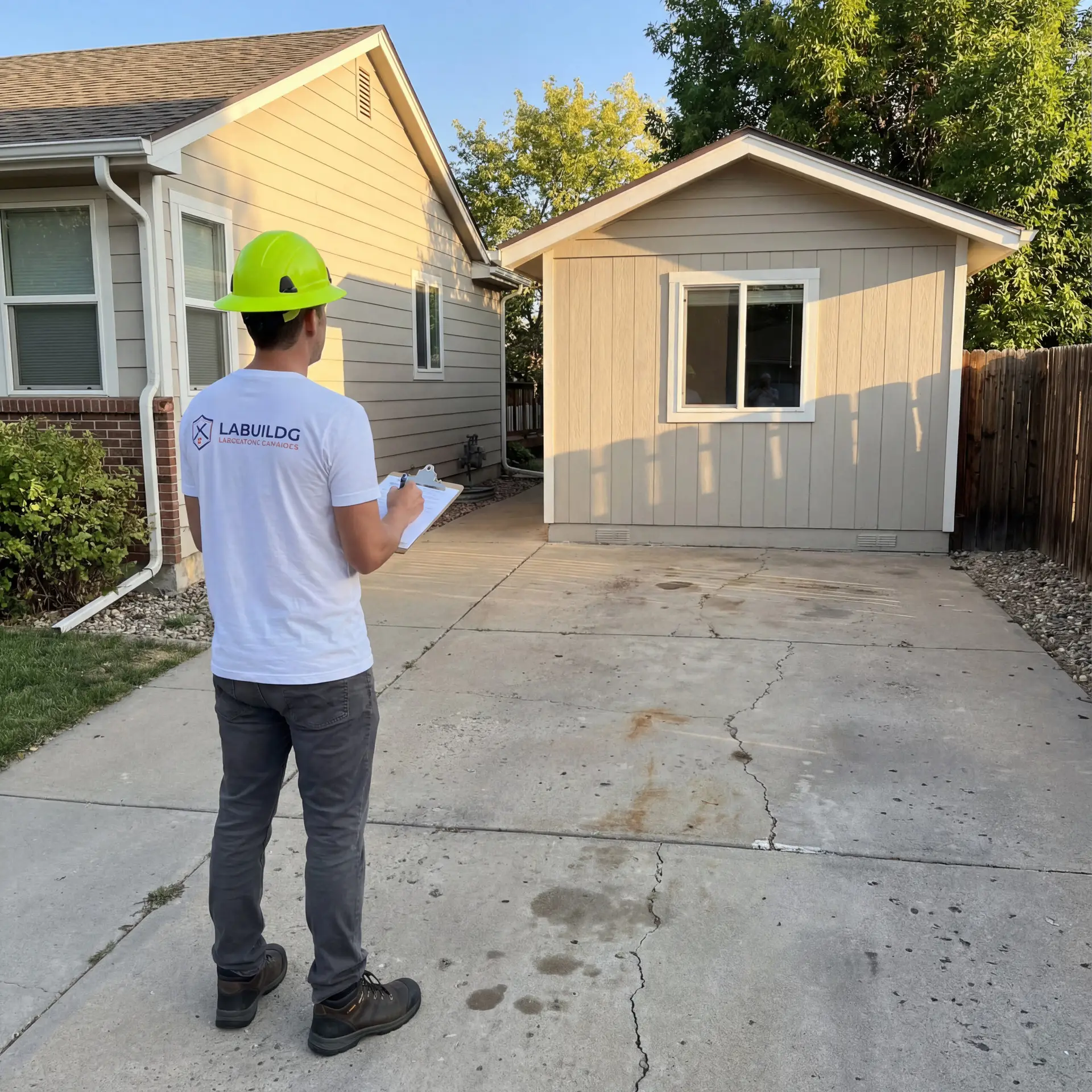
A due diligence inspection for rental properties combines traditional inspection with compliance research. Here’s what it includes:
Pre-Inspection Research
Before I set foot on the property, I research:
- Complete permit history: Every permit filed, approved, or still open
- Property records: Official unit count, square footage, lot coverage
- Zoning: What’s allowed, what’s not, any variances on file
- Aerial history: When structures appeared, when modifications happened
- Compliance status: Any outstanding code enforcement cases
Physical Inspection
I inspect the property thoroughly, but with rental-specific concerns:
- All units: Not just a representative sample—every unit gets inspected
- Common areas: Hallways, laundry rooms, parking, walkways
- Exterior: Building envelope, drainage, structural elements
- Systems: Electrical, plumbing, HVAC, fire safety
- Balconies: If applicable, SB 721 preliminary assessment
Compliance Comparison
I compare what I see to what the records say should exist:
- Do the number of units match official records?
- Does the built square footage match permitted square footage?
- Are there structures that appear unpermitted?
- Does construction quality suggest work was done without permits?
- What would an RHHP/SCEP inspector likely cite?
Compliance Intelligence
The real value of a due diligence inspection is understanding your compliance obligations before you own them.
Upcoming Inspection Schedule
When will the city or county inspect this property? If it’s in unincorporated LA County, RHHP inspections happen on a four-year cycle. If it’s in LA City, SCEP has the same timeline. Knowing where the property falls in that cycle helps you plan.
Likely Citations
What would an RHHP or SCEP inspector find? I inspect using the same criteria they use. If there are issues, you’ll know before you buy—not six months later when you’re scrambling to comply within 21 days.
Remediation Costs
For each issue identified, I provide cost context. Replacing smoke detectors is minor. Legalizing an unpermitted ADU is major. You need to know the difference before deciding whether to proceed with the purchase—and at what price.
The Hidden Costs Buyers Miss
Last year I inspected a triplex for a buyer in Altadena. Standard inspection found $8,000 in recommended repairs—typical deferred maintenance. My due diligence inspection found the third unit was an unpermitted garage conversion that the city didn’t know about. Legalizing it (if possible) would cost $40,000-60,000. Removing it would eliminate a third of the rental income. The buyer renegotiated a $50,000 price reduction. Without the compliance research, he would have discovered this problem after closing.
Using Findings in Negotiations
A due diligence inspection gives you negotiating leverage that a standard inspection doesn’t.
Price Adjustments
When you find unpermitted work, compliance issues, or deferred maintenance, you have documented justification for price reductions. Sellers can argue about whether a water heater needs replacement. They can’t argue about whether an unpermitted unit exists.
Seller Remediation
You can require the seller to address compliance issues before closing. This is particularly valuable for permit issues—forcing the seller to close open permits or legalize work puts the burden and cost on them.
Escrow Holdbacks
For issues that can’t be resolved before closing, you can negotiate escrow holdbacks. A portion of the purchase price is held in escrow until specific repairs or compliance items are completed.
Walk-Away Knowledge
Sometimes the best outcome is walking away. If a property has unfixable compliance problems—like an unpermitted ADU that can’t be legalized due to setback violations—you need to know before you’re contractually committed.
The 17-Day Timeline
California’s standard residential purchase agreement gives buyers 17 days to conduct inspections. That sounds like plenty of time, but it’s tight for thorough due diligence.
Optimal Due Diligence Timeline
- Day 1-2: Schedule inspection, request property access to all units
- Day 3-5: Permit research conducted (before site visit)
- Day 6-8: On-site inspection of all units
- Day 9-11: Report preparation and cost estimates
- Day 12-14: Review findings with your agent, prepare requests
- Day 15-17: Submit repair requests or renegotiation terms
Starting early is essential. If you wait until day 10 to schedule the inspection, you won’t have time to act on what you learn.
Access Issues
One common challenge with occupied rental properties: getting access to all units. Tenants have rights to notice before entry (24 hours in California). A four-unit building with four separate tenants means coordinating four schedules. Work with your agent and the seller to arrange access early.
What You Get
My due diligence inspection report includes:
- Complete permit history: Every permit on file for the property
- Physical inspection findings: Detailed documentation with photos
- Compliance assessment: What RHHP/SCEP would likely find
- Permit discrepancies: Where reality doesn’t match records
- Cost estimates: Ballpark figures for remediation
- Compliance timeline: Upcoming obligations and deadlines
- Risk assessment: High, medium, low priority items
This isn’t just documentation of what’s wrong. It’s intelligence for making a smart purchase decision and negotiating effectively.
When to Order a Due Diligence Inspection
Best Candidates for Due Diligence Inspection
- Any 2+ unit property in LA County (including Altadena, East LA, Willowbrook, unincorporated areas)
- Properties with visible additions or modifications
- Properties built before 1980 (higher likelihood of unpermitted work)
- Properties with ADUs or converted garages
- Properties where unit count seems unclear
- Any purchase over $1M (where compliance costs are a small % of price)
Final Thoughts
Buying a rental property is an investment decision. The purchase price is only part of the equation—compliance costs, remediation needs, and regulatory obligations all affect your actual returns.
A standard home inspection tells you whether the roof leaks. A due diligence inspection tells you whether you’re buying a compliance nightmare that will eat your cash flow for years.
If you’re in contract on a rental property in LA County, let’s talk. The 17-day clock is ticking, and you need this information before it runs out.
Get Ahead of Your Inspection
Book an inspection today and get ahead of your inspection. We'll help you get the most out of your inspection.
Schedule InspectionQuestions?
Email: nathan@larentalinspections.com
Call/Text: (626) 214-5929
Serving all of Los Angeles County