
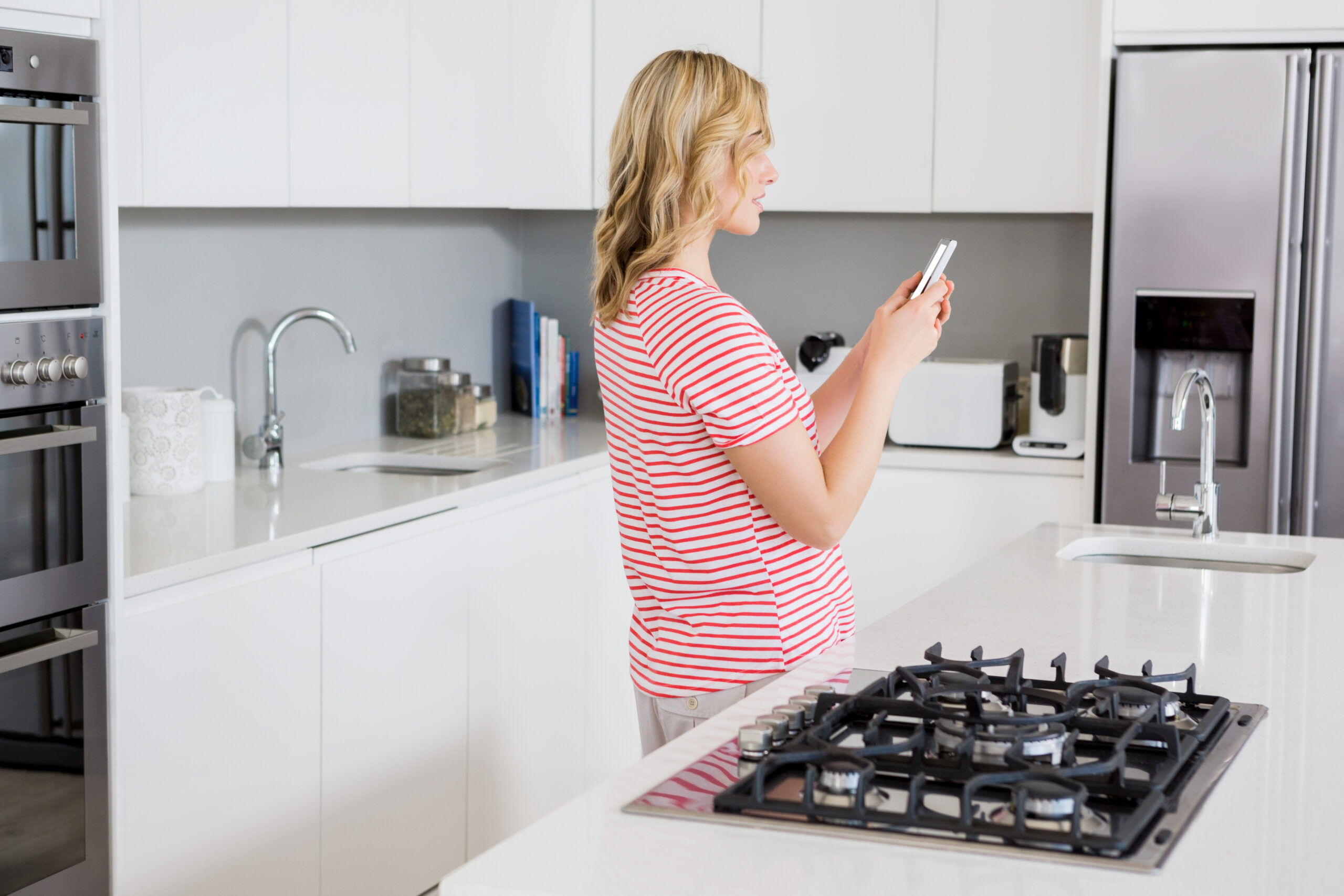
AB 628 added two appliances to California’s habitability standard: a working stove and a working refrigerator. Effective January 1, 2026, every residential rental unit covered by the law must have both, supplied and maintained by the landlord, with narrow exceptions. Bill text is here.
That is the one-sentence version. The reason most landlords are misreading it is everything around that sentence. When it triggers, what counts as “working,” what happens if the tenant supplies their own, and what LAHD will do when an inspector finds a missing or broken appliance. Those details are where the compliance risk lives.
What Changed on January 1, 2026
Before AB 628, California landlords were not required to provide a refrigerator or stove. In Southern California especially, it was common to rent units bare and leave the tenant to bring their own. That ended on January 1.
The law, authored by Assemblymember Tina McKinnor, amended the state’s definition of habitability to include a functioning refrigerator and stove. The Los Angeles Housing Department has confirmed that if an LAHD inspector finds either appliance missing, non-functional, or defective, the inspector will issue a Notice to Comply. The landlord has at least 30 days to resolve the issue. Failure to resolve can lead to administrative hearings, fines, and additional penalties. LAHD’s renter-protection page covers the enforcement framework.
What This Is, and What It Isn’t
AB 628 is a habitability requirement, not a one-time installation rule. Once the appliance is in the unit, the landlord is responsible for keeping it working for the duration of the tenancy. That is where most of the long-term cost lives.
When the Requirement Actually Triggers
This is the most common misread. AB 628 does not require landlords to march into existing month-to-month tenancies on January 1, 2026 and install appliances. The trigger is tied to the lease.
The requirement applies when:
- A new lease is signed on or after January 1, 2026
- An existing lease is renewed on or after January 1, 2026
- An existing lease is amended on or after January 1, 2026
Month-to-month tenancies that simply continue from 2025 are not automatically swept in on January 1. But here is the trap. Any change of terms after that date can trigger compliance. If you raise the rent, change the parking arrangement, or add a pet addendum on a month-to-month tenancy after January 1, 2026, you have likely triggered AB 628 for that unit.
Even where a tenancy began before January 1, 2026, owners should be cautious. Habitability enforcement, lease renewals, amendments, local agency practice, and tenant complaints can all create practical exposure. The safer portfolio approach is to plan for compliance rather than trying to parse each unit only after a complaint is filed.
If the Tenant Brings Their Own
The law allows tenants to provide their own refrigerator if both parties agree in writing. This exception exists because so many Southern California tenants already own a refrigerator and prefer to bring it.
Two important details:
The exception applies to refrigerators, not stoves. The landlord must supply the stove. There is no tenant-supplied-stove option under the statute.
The agreement must be documented properly. CAA’s recommended language acknowledges that state law requires the landlord to provide a refrigerator in good working order, and that the tenant has asked to bring their own and is responsible for maintaining it. A verbal agreement, a side text message, or “we just understood it” is not enough. If the tenant later wants the landlord to supply one, you cannot rely on an undocumented arrangement to refuse.
What “Good Working Order” Actually Means
The statute requires the appliances to be in “good working order.” It does not define the phrase. That ambiguity is going to be the source of most disputes for the next two years.
From the inspections I have already seen this year, here is what I expect inspectors to flag:
Refrigerators. Cooling function below safe food storage temperature. Freezer not freezing. Door seals deteriorated to the point of obvious leak. Active recall not addressed. Visible mold or persistent odors that won’t clean out. Broken interior shelves that have been broken for months. Missing components like a crisper drawer or a compressor cover.
Stoves. Burners that don’t ignite or won’t hold a flame. Oven that doesn’t reach or hold temperature. Gas leaks at the connection. Damaged or missing knobs that can’t be replaced. Unsafe wiring on electric ranges. Cracked glass on a smoothtop. Active recall not addressed.
One bad burner on a four-burner stove is a gray area. So is a refrigerator that runs but is older than the building. Owners and tenants will disagree about these. The owner who can produce a maintenance log, recent photos, and a service record is going to fare much better in those disputes than the owner who can’t.
How LAHD Will Enforce This
LAHD has stated the enforcement path clearly. An inspector who finds a missing or non-functional appliance will issue a Notice to Comply. The compliance window is at least 30 days. If the landlord does not resolve the issue, LAHD can pursue an administrative hearing, fines, and additional penalties allowed under law.
This is the same enforcement path used for other habitability violations under SCEP. It is not a new mechanism. It is a new trigger added to the existing system.
What is also worth noting. Any AB 628 violation discovered during a SCEP inspection becomes part of the public record on that property. Tenant attorneys subpoena LAHD records. A documented appliance violation that lingered past the cure date can support broader habitability claims down the line. The 30-day cure window matters.
What to Do This Quarter
Here is the practical compliance work to get done before another renewal cycle hits:
Inventory every unit. For each unit you own or manage, confirm: is there a stove, is there a refrigerator, who supplied each, are they functional, what is the age and condition. If you don’t have this information unit-by-unit, you don’t have AB 628 compliance. You have a guess.
Update your lease template. New and renewing leases should clearly state that the landlord supplies both appliances. If the tenant is bringing their own refrigerator, include the written acknowledgment language. The template needs to be ready before the next renewal, not after.
Budget for replacement. If you have been renting bare units, you have appliances to acquire. Plan the cost across the renewal calendar so you are not buying ten refrigerators in one month.
Add appliance condition to your inspection checklist. Annual maintenance walks should now include: powering each unit on, checking temperature, checking burners, looking for recalls, photographing condition. This is no longer optional documentation. It is the record that protects you when a complaint is filed.
Address recalls promptly. If you receive a recall notice, treat it as a serious safety and documentation issue. If the appliance becomes defective, unsafe, or non-functional, the ordinary habitability enforcement timeline may apply.
If you would like to walk through your portfolio and document appliance condition before this becomes an issue, that is exactly the kind of pre-inspection work I do. Better to know what you have than to find out from an inspector.