
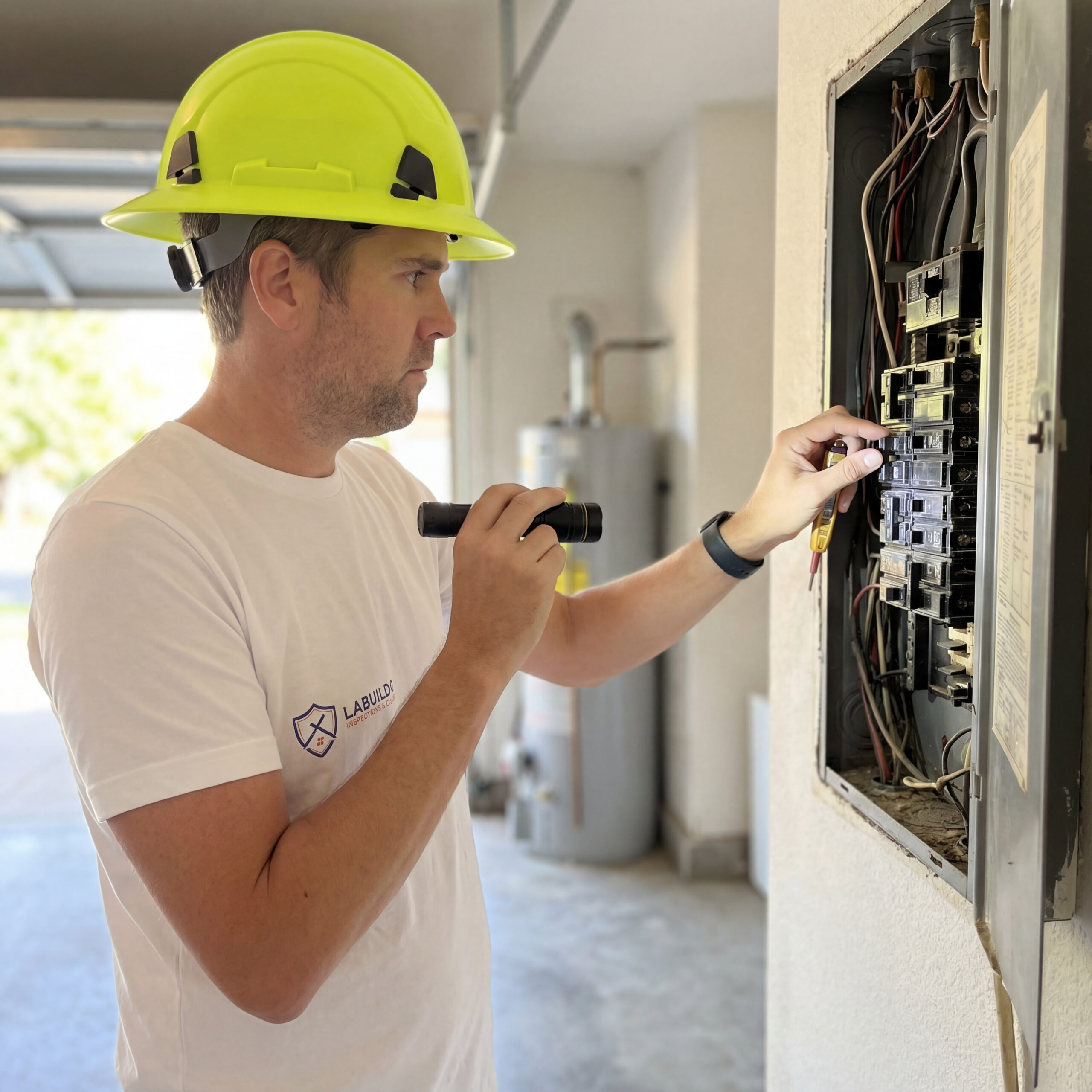
Let me be clear upfront: I’m not here to criticize home inspectors. Most are professionals doing exactly what they’re trained to do. They follow standards, they’re thorough within their scope, and they provide real value to home buyers.
But their job has limits. And those limits can cost you thousands of dollars.
I spent years studying architecture before I became a certified home inspector in Los Angeles. That background changed how I see buildings—and it showed me how much gets missed in a standard inspection.
This isn’t about blame. It’s about understanding the gap between what a typical inspection covers and what you actually need to know before buying a home.
The Standard Inspection Scope
A standard home inspection follows guidelines set by organizations like ASHI (American Society of Home Inspectors) or InterNACHI. These are solid standards that ensure consistency.
Here’s what a typical inspection covers:
- Roof condition (visible areas)
- Exterior siding and trim
- Foundation (visible portions)
- Electrical system functionality
- Plumbing function and visible pipes
- HVAC operation
- Interior rooms, doors, windows
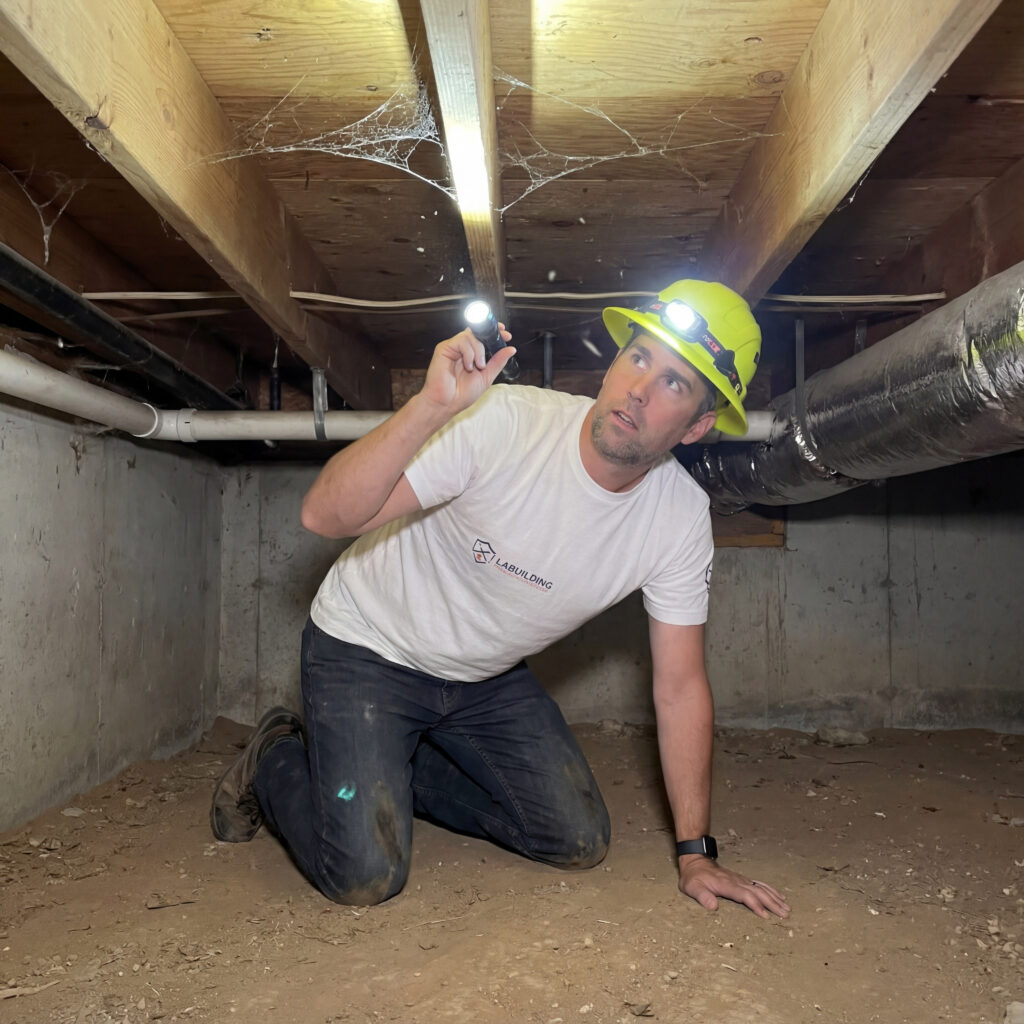
- Attic and crawlspace (accessible areas)
- Built-in appliances
The inspector tests things, looks at things, and reports on the current condition. If the electrical panel powers the house, it “passes.” If water comes out of the faucets and drains properly, the plumbing “passes.”
And that’s exactly the problem.
“It Works” vs. “It’s Right”
Here’s what I’ve learned from my architecture background: something can work perfectly while being completely wrong.
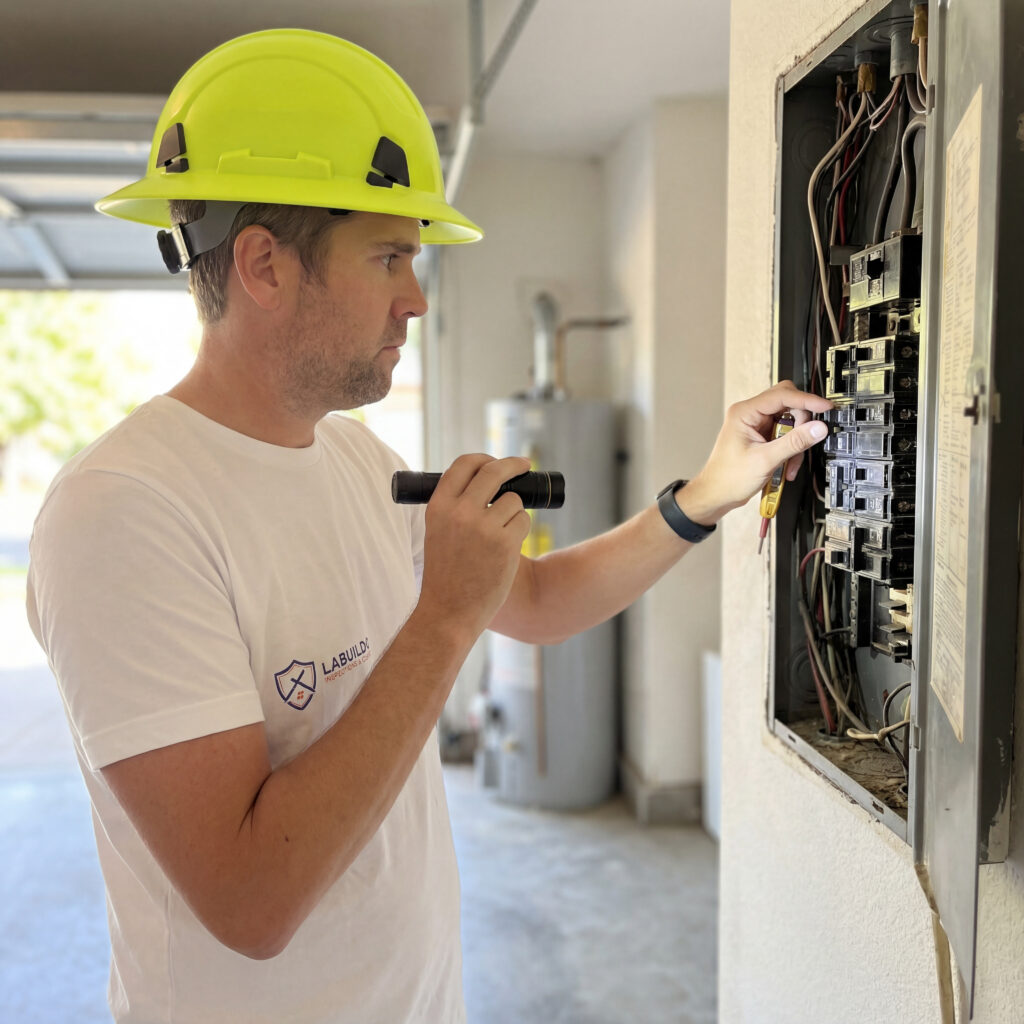
Example 1: The Electrical Panel
I inspected a house last year where the previous inspector had noted: “Electrical panel in good condition. All breakers functional.”
Technically true. The panel powered the house. Breakers tripped and reset properly.
What the report didn’t mention:
- The panel was a Federal Pacific Stab-Lok—a brand known for failing to trip during overloads, creating fire hazards
- Several circuits were double-tapped (two wires on one breaker)—a code violation
- The panel had no permit sticker, suggesting it was replaced without inspection
The panel “worked.” It was also a potential fire hazard that should have been replaced. Cost to the buyer after closing: $4,200.
Example 2: The Water Heater
Another inspection report I reviewed said: “Water heater operational. Hot water present at fixtures.”
True. The water heater made hot water.
What wasn’t mentioned:
- The temperature-pressure relief (TPR) valve discharge pipe was missing—a safety requirement
- The water heater had no earthquake straps—required in California
- There was no expansion tank—needed when a pressure-reducing valve is present
- The unit was 16 years old with a 12-year warranty—meaning it was already past its expected lifespan
Nothing was broken. Everything was functional. But multiple code violations existed, and the water heater was a ticking clock.
Why Permits Matter More Than Function
Standard home inspections don’t include permit research. Most inspectors wouldn’t know how to interpret permit records even if they pulled them.
But permits tell you something function never can: whether the work was done correctly in the first place.
When work is permitted:
- Plans are reviewed before construction
- A city or county inspector verifies the work meets code
- There’s documentation that standards were followed
When work is unpermitted:
- No one reviewed the plans (if there were any)
- No inspector verified the work
- You’re trusting that whoever did it knew what they were doing
I’ve seen beautiful kitchen remodels with electrical wiring that would make an electrician cry. I’ve seen garage conversions that looked great but had no proper egress, no permitted electrical, and no insulation.
These things function. People live in them. But they’re not built to code, and eventually, that catches up with you.
What My Architecture Background Changes
When I look at a building, I’m not just testing whether things work. I’m reading the building like a story.
I notice when things don’t match.
If the house was built in 1965 but there’s a room that doesn’t appear on the original floor plan, I ask questions. If the architectural style is Spanish Colonial but there’s a flat-roofed addition on the back, I investigate. If the electrical panel looks newer than everything else, I check for permits.
I understand structural systems.
Architecture school taught me how buildings transfer loads, how foundations work, and what happens when people modify structures without understanding engineering. I can spot a removed load-bearing wall by looking at how the ceiling sags. I notice when a roof addition wasn’t properly tied into the existing structure.
I know what requires permits.
A homeowner might think replacing a window is a simple upgrade. But if they changed the size of the opening, that’s structural work requiring a permit. If they added a bathroom, that’s plumbing, electrical, AND building permits.
Most homeowners—and many home inspectors—don’t think about permits. I do, because I understand what can go wrong when work isn’t inspected.
Common Things I Catch That Others Miss
Based on hundreds of inspections, here’s what frequently slips through standard inspections:
- Unpermitted ADUs and garage conversions – Very common in LA, almost never permitted
- Improperly installed electrical panels – Working but dangerous
- Bathroom additions without proper waterproofing – Mold waiting to happen
- Removed load-bearing walls – Structural compromise hidden behind drywall
- HVAC systems installed without permits – Often undersized or improperly ducted
- Plumbing modifications that don’t meet code – Especially in older homes
- Window and door replacements that changed openings – Structural permits required
- Deck additions attached improperly – Collapse hazard
None of these things “fail” a standard inspection. They all function. But they’re problems waiting to surface—during a remodel, a sale, an insurance claim, or a failure.
What This Means for You
I’m not saying every home inspector is inadequate. I’m saying the scope of a standard inspection has limits, and you should understand those limits.
If you’re buying a home in Los Angeles County, here’s my advice:
Ask your inspector about their background. Do they understand construction beyond testing function? Do they have experience identifying permit issues?
Request permit research. Some inspectors offer this as an add-on. If yours doesn’t, you can pull permit records yourself through the city or county.
Be suspicious of recent renovations. The newer the work, the more likely it was done by the current owner—and the more likely permits were skipped.
Don’t assume “it works” means “it’s right.” Function is the minimum standard. Code compliance is what protects you long-term.
When I do a property inspection in Los Angeles, I’m thinking about what’s behind the walls, not just what’s in front of me. That’s the difference architecture training makes.
Your home inspector probably did a good job within their scope. But their scope might not include what you really need to know.
The question isn’t whether the house functions today. It’s whether the house was built and modified correctly—and whether those hidden details will cost you money, safety, or peace of mind down the road.
That’s what I look for. That’s what I find. And that’s what I put in my reports.
Nathan Sewell LA Building Inspections & Compliance (626) 214-5929 nathan@larentalinspections.com
Serving all of Los Angeles County | Find us on Google Maps
Get Ahead of Your Inspection
Book an inspection today and get ahead of your inspection. We'll help you get the most out of your inspection.
Schedule InspectionQuestions?
Email: nathan@larentalinspections.com
Call/Text: (626) 214-5929
Serving all of Los Angeles County