
Habitability Documentation Report in Los Angeles
A habitability documentation report is not a checklist, and it is not a repair estimate. It is a dated, structured record of what a rental property looked like on the day of the walk, described in code-linked terms, with photographs that support every observation. That is what I deliver, and it is the reason attorneys and multifamily owners send this work my way rather than treating it as a general inspection assignment.
What the Report Is Built to Do
The documentation report creates a single, self-contained record that can be handed to a lawyer, an insurer, a lender, a code officer, or opposing counsel without needing you to interpret it. Every observation is written in language a non-inspector can follow, tied where relevant to Civil Code 1941.1, Health and Safety Code 17920.3, and Title 25. Nothing is inferred; everything is what I saw on that date, at that address.
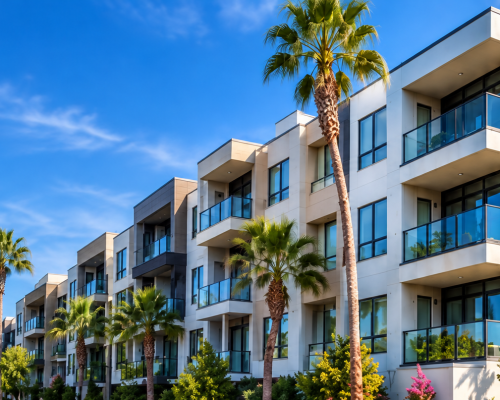
Snapshot
Written in first-person, first-hand language, from what was directly observed
Code-linked observations, not diagnostic conclusions
Dated photographs taken under a documented protocol
Delivered as a single indexed PDF, ready for the file

What Goes Into a Report
Every habitability documentation report I produce follows the same structure:
- Property identifier, inspection date, and the scope requested by the person who ordered the work
- Room-by-room and system-by-system observations, indexed to the photograph set
- Visible structural conditions, plumbing, electrical, heating, moisture indicators, pest evidence, life-safety items, and any accessibility issues flagged during the walk
- Photograph appendix with location tags, date stamps, and figure numbers referenced inline
- Notes on access limitations and anything I could not view
Who Orders One
attorneys
Landlord-tenant attorneys building a habitability defense or affirmative claim
Owners
Multifamily owners preparing for a demand letter response, a REAP referral, or a code enforcement follow-up
Property managers
Documenting condition before turnover or after a repair cycle
LA property Owners & Investors
Who received a prior report flagging suspected habitability exposure and need a second, independent record
What the Report Is Not
It is not a construction-defect analysis and it is not a structural engineering opinion. Mold scope is documentation and moisture indicators only, never testing. The report documents what is visible and what supports the observation. If a system needs a licensed specialist beyond the scope of a habitability walk, the report says so and identifies the specialty.
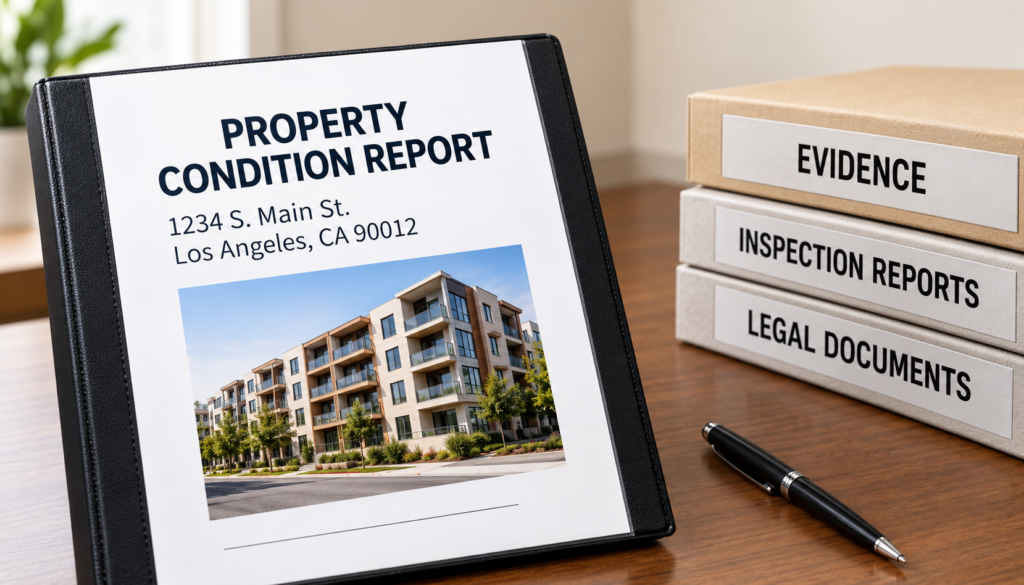
Why the Record Format Matters
The value of the record is in how it can be used later. A documentation report organized around dated observations, indexed to a photograph appendix, and written in first-person, first-hand language is one that reads the same to counsel today as it does to a jury eighteen months from now. Reports built any other way tend to require the inspector to sit down and explain them, and the explanation is the thing the record was supposed to remove.
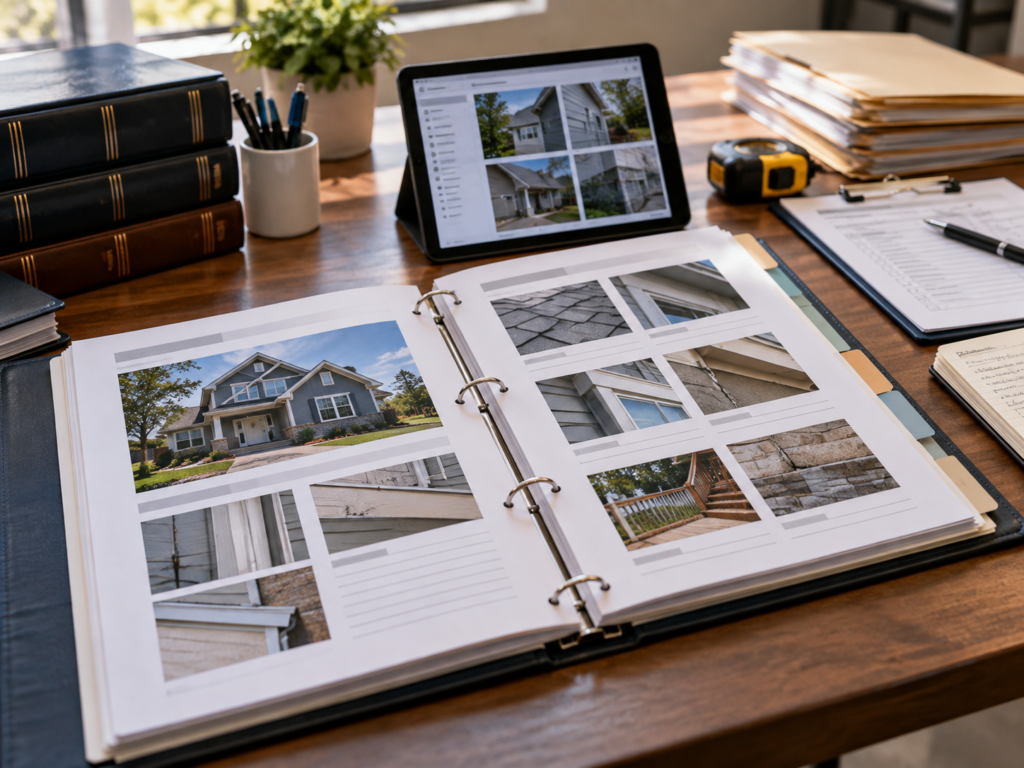
Typical Turnaround
Standard delivery for a single-property record typically runs 5 to 7 business days from the walk. Multi-unit properties add time in proportion to the number of units in scope. If the record is tied to a demand-letter deadline, an insurer window, or a court-imposed date, tell me at intake
1
Intake & Scope
Address, unit count, and reason for the record are confirmed.
2
Site Walk
Conditions are documented room by room and system by system.
3
Report Assembly
Observations and photo appendix are organized into the record.
4
Delivery
Indexed PDF delivered, with timing confirmed in advance.
Requesting a Report
Tell me the property address, the number of units in scope, and the reason the record is being commissioned. I will confirm scope, fee, and delivery window before the walk is booked. Reports are built for evidentiary use if the matter later escalates.
Questions? Call (626) 214-5929 or email nathan@larentalinspections.com