
SB-326 Inspection for HOAs in Los Angeles
SB-326 is the California statute that requires HOAs to inspect Exterior Elevated Elements (EEEs) on condominium buildings with three or more attached multifamily units, on a defined cycle. If your HOA governs a building with elevated wood elements supporting residential loads, an SB326 inspection is a scheduled compliance obligation, not an optional one. Boards preparing for the cycle, transitioning management companies, or working through a reserve study should have this on the calendar early.
Who This Page Is For
HOA boards, community association managers, and reserve study consultants working on Davis-Stirling-governed condominium properties in LA County or Orange County that carry elevated exterior wood elements.

Snapshot
SB-326 applies to HOA condominium buildings only, under Davis-Stirling
Inspection cycle: at least every nine years, coordinated with the reserve study inspection under Civil Code 5550
Enforcement runs through local code enforcement and Davis-Stirling Act remedies
No per-diem statutory penalty for missed inspection deadlines
How the engagement runs
Units in scope confirmed in writing before the walk
Coordinated with the property manager for tenant access and notice
Dated photographs taken under a documented protocol in every unit
One indexed PDF delivered, structured unit by unit
The same inspector on every unit, on the same day where possible
Scope of an SB-326 Inspection
Civil Code 5551 requires inspection of a random, statistically significant sample of the elements (95% confidence, 5% margin of error), performed by a licensed structural engineer, civil engineer, or architect. Our documentation covers the sampled elements and any additional elements the board requests. Focus areas include load-bearing wood, waterproofing, flashing, fasteners, and any visible signs of moisture intrusion or fungal decay. Where a visual walk does not resolve the condition, invasive testing is called out for follow-up by a licensed civil or structural engineer or a licensed general contractor.

SB-326 vs. SB-721
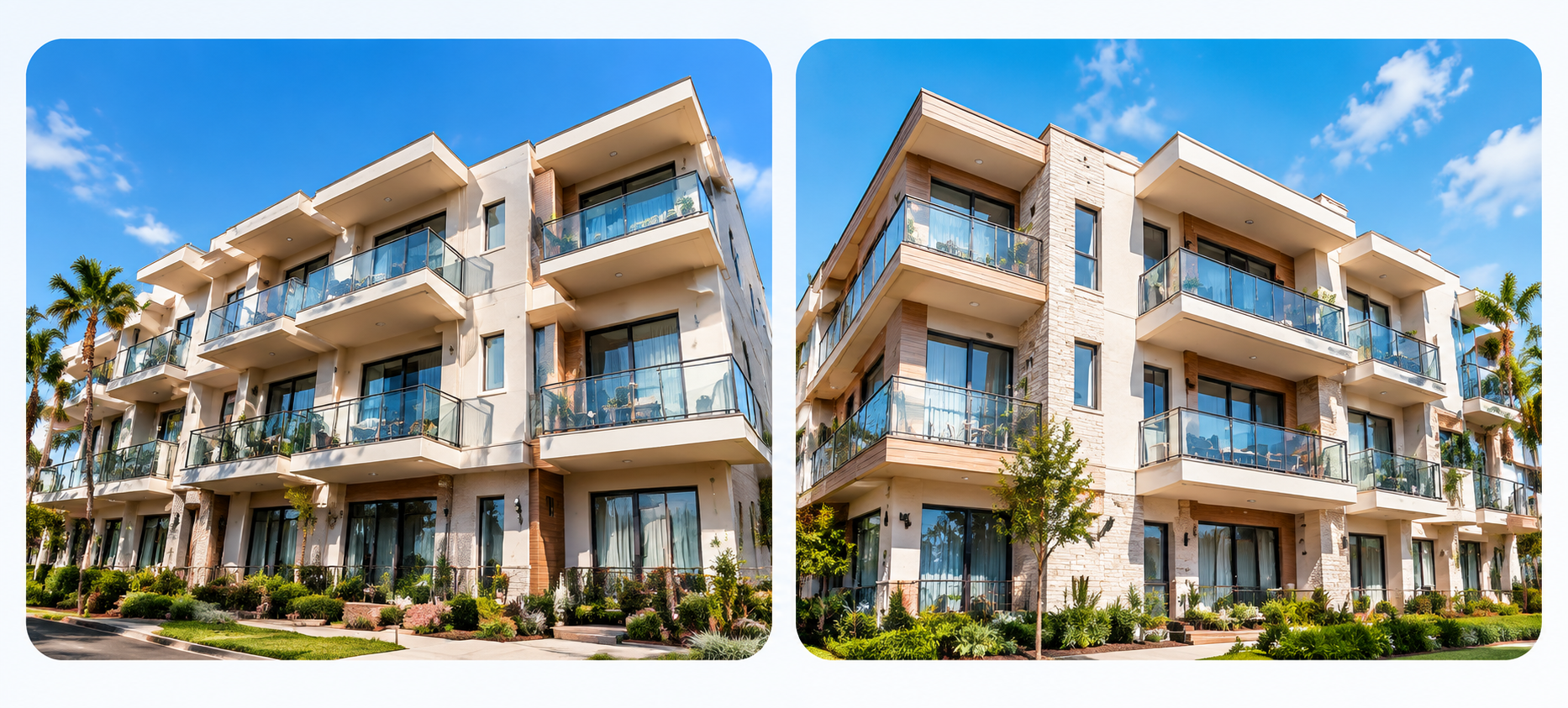
The two laws cover the same physical elements but sit over different housing types. SB-326 covers HOA-controlled condominiums. SB-721 covers non-HOA rental buildings with three or more units. Both fall under the E3 umbrella in the way inspectors and owners talk about them, and both drive similar documentation. See the E3 balcony inspection page for the SB-721 rental side of the work.
Penalty Framing
Unlike SB-721, SB-326 has no per-diem statutory penalty for missing inspection deadlines. That does not make the deadline soft. Enforcement runs through local code enforcement channels and through Davis-Stirling Act remedies available to individual unit owners. Boards that miss the cycle face exposure through those channels, and unit sales get harder without a current report on file.

SB 410 and Transfer Disclosure
SB 410, effective January 1, 2026, added the most recent balcony inspection report to the list of items HOAs must include in transfer disclosure packages. Boards preparing units for sale need the current report ready to attach to the disclosure package.

What You Get in the Report
Element-by-element documentation of each inspected balcony, deck, walkway, or stair on the building
Dated photographs of visible conditions, indexed to the report body
Notes on any items requiring repair, and recommendations for invasive follow-up where visual inspection was insufficient
Reference to SB-326 Requirements where a finding maps to a specific statutory item
Coordinating With Your Reserve Study
Many HOAs pair the SB-326 cycle with the reserve study cycle so budgeting reflects the actual condition of the inspected elements. Scheduling both in the same window lets the reserve study incorporate the inspection findings rather than working from assumptions, which tends to produce a cleaner budgeting picture for the board.

Scheduling an Inspection
Send the HOA name, property address, unit count, and any prior SB-326 report or reserve study on file. I will confirm scope, fee, and inspection window in writing before the walk is booked.
Questions? Call (626) 214-5929 or email nathan@larentalinspections.com