
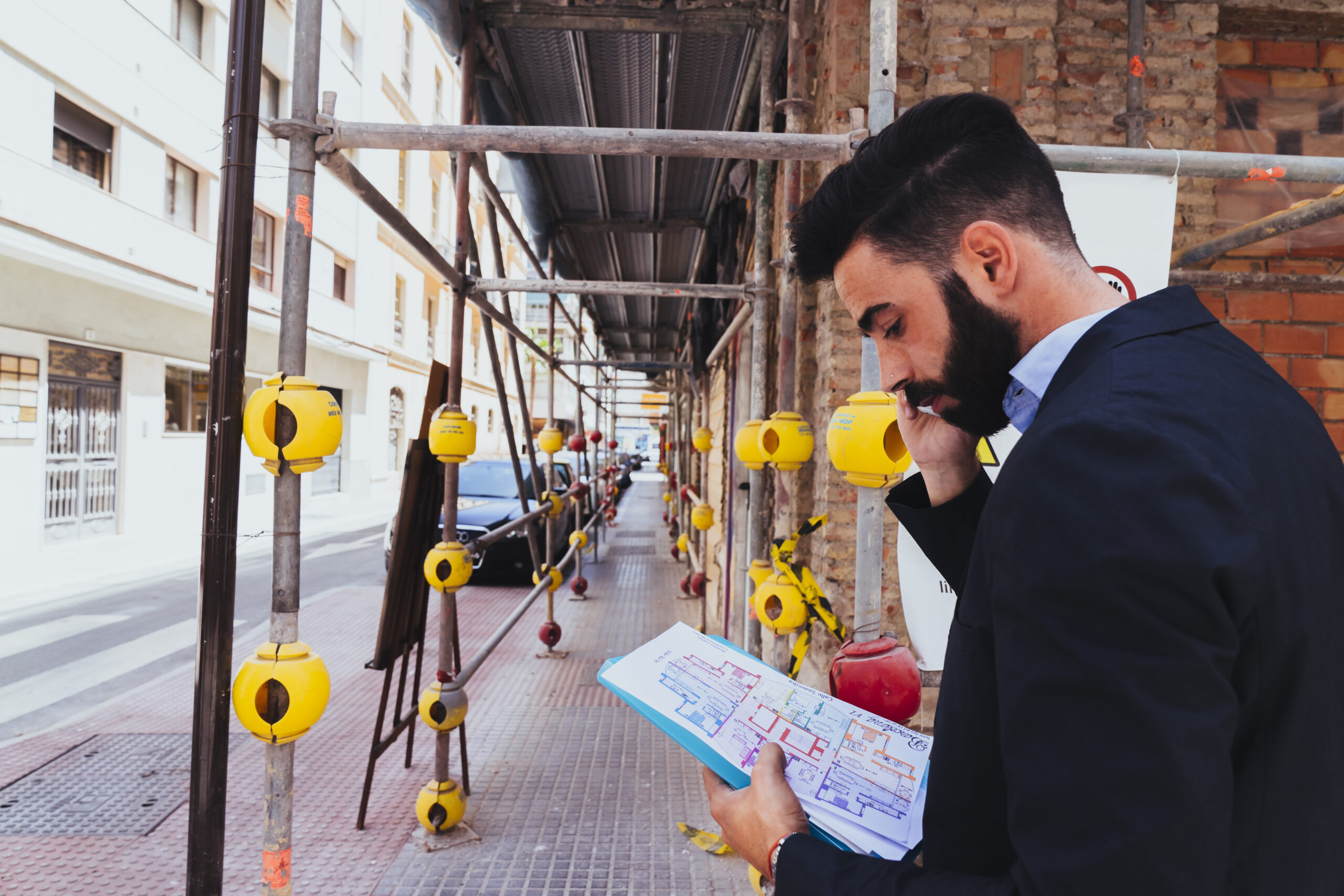
Here is the conversation I have with owners almost every month. They have a cited violation. A pipe leak in the wall, a deteriorated section of subfloor, an electrical issue, a balcony failure. They want to fix it. They pull a permit. They open the wall. The plan check desk asks a question. Suddenly the simple repair is a much bigger project, the entire room or wing or unit needs to come up to current code, and the budget has tripled.
This is the permit cascade, and it is one of the least understood risks in older LA rental property. The work that triggers a cascade is usually small. The cost of the cascade is usually large. And the rules for when a cascade is required vary by jurisdiction, by department, and sometimes by the specific plan checker reviewing the application.
What a Permit Cascade Actually Is
When you pull a permit for a repair or alteration in an older building, the building department reviews the scope of work. If the scope crosses certain thresholds, the department may require that the affected area also be brought into compliance with the current building code. Items that were grandfathered under prior codes may suddenly be required to be upgraded as part of the permitted work.
The thresholds that trigger this are sometimes expressed in valuation (the cost of the work as a percentage of the building’s value), sometimes expressed in scope (square footage, number of rooms affected, type of system altered), and sometimes left to the department’s discretion. There is no single, universal “10% rule” that applies everywhere. The triggers vary by jurisdiction, and what looks like a clear rule in one city may not exist or be applied differently in another.
Important: Verify Locally
This article describes general patterns owners should expect. Specific thresholds, requirements, and discretion vary across LADBS, LA County, and individual cities. Owners planning permitted work should verify the requirements with the specific jurisdiction before committing to a scope or budget.
Common Triggers That Lead to a Cascade
Across most jurisdictions in LA County, certain types of work are more likely to trigger a cascade than others.
Substantial Alteration to a Bathroom or Kitchen
Pulling a permit to remodel a bathroom can trigger requirements that the entire bathroom — not just the area being remodeled — meet current code for ventilation, GFCI placement, water-resistant surfaces, and fixtures. Plumbing alterations under sinks may trigger a requirement that supply lines be replaced if they are pre-1990 galvanized. The ceiling vent fan must meet current ducting and exhaust standards.
Electrical Work in Older Panels
An attempt to add a circuit to a 60-amp panel can trigger a requirement to replace the entire panel with one that meets current capacity standards. If the panel is an FPE Stab-Lok or Zinsco, the department may not even allow modifications to the existing panel. The cascade then includes the panel, possibly the service entrance, possibly grounding upgrades.
Structural Repair to Floors, Walls, or Roof
Replacing a deteriorated section of subfloor exposes joists. If the joists do not meet current span tables, the department may require sistering, replacement, or additional support. A roof repair that exceeds a certain percentage of the roof area can trigger a full re-roof requirement, including any required sheathing upgrades.
Window Replacement
Replacing windows in older buildings can trigger requirements for tempered glass in specific locations, egress requirements for bedroom windows, and energy performance standards under Title 24. A simple “like-for-like” window replacement is sometimes possible, but anything more triggers the broader requirements.
Any Work That Reveals Unpermitted Construction
This is the worst case. The owner pulls a permit for a small repair. The inspector arrives, sees an unpermitted addition or conversion, and the permit becomes the entry point for a much larger compliance conversation. Unpermitted ADUs, garage conversions, and bootleg additions are the most common findings in this category.
When a Cascade Is Actually a Good Thing
Not every cascade is a bad outcome. Some are the right outcome.
If the building has an FPE Stab-Lok panel and the owner cannot get insurance because of it, the cascade that requires panel replacement during electrical work is doing the owner a long-term favor. If the building has galvanized supply lines that are corroding and producing water leaks, the cascade that requires repipe during a bathroom remodel is preventing future losses. If the bathroom ventilation has been venting into the attic for thirty years and producing mold, the cascade that requires proper exterior venting is fixing a real problem.
The work to do is to plan ahead. If you know that an FPE panel is going to be flagged at the next permit pull, plan the panel replacement on your terms — pricing it, scheduling it, financing it — rather than reacting to a cascade triggered by a different scope.
Strategy: How to Plan Permitted Work in an Older Building
The owners who navigate permit cascades best follow a similar approach.
Pull Records Before You Plan Scope
Before you even define the scope of work, pull the building’s permit history from LADBS or the relevant agency. Identify any open permits, any prior work that did not finalize, any conditions of approval from prior projects. The permit history tells you what the department already knows about the building.
Identify Pre-Existing Issues That Are Likely to Surface
Walk the property with someone who knows what triggers cascades. An older electrical panel. Unpermitted additions. Visible structural issues. Plumbing characteristics that suggest aging supply lines. Each of these is a likely cascade trigger if the wrong scope is pulled.
Scope Strategically
Sometimes the right move is to scope a smaller permit (a like-for-like repair that does not trigger broader review). Sometimes the right move is to scope a larger permit voluntarily, plan the cascade work into the project from the start, and avoid the surprise cost. The choice depends on the building, the budget, and the long-term plan.
Talk to Plan Check Before Submission
Most LA-area building departments allow informal pre-submission consultations with plan check staff. Ten minutes at the counter can clarify what the department will require for a specific scope. The clarity is worth the trip.
Budget for Cascade Risk
Any permitted work in an older building should carry a contingency for cascade risk. Twenty percent over the base scope is reasonable for buildings that have been well-maintained. Forty percent or more is reasonable for buildings with known unpermitted work, older systems, or visible deferred maintenance.
Cascades Are a Planning Problem, Not a Mystery
Permit cascades feel mysterious because the rules are not posted on a single page anywhere. They are spread across building codes, department policies, and discretionary decisions. But the patterns are predictable. Older buildings have specific risk profiles. Specific scopes trigger specific reviews. The owners who plan around the patterns spend less, finish faster, and surface fewer surprises. The owners who pull permits as if their building were a 2020 build pay the price when the cascade arrives.